
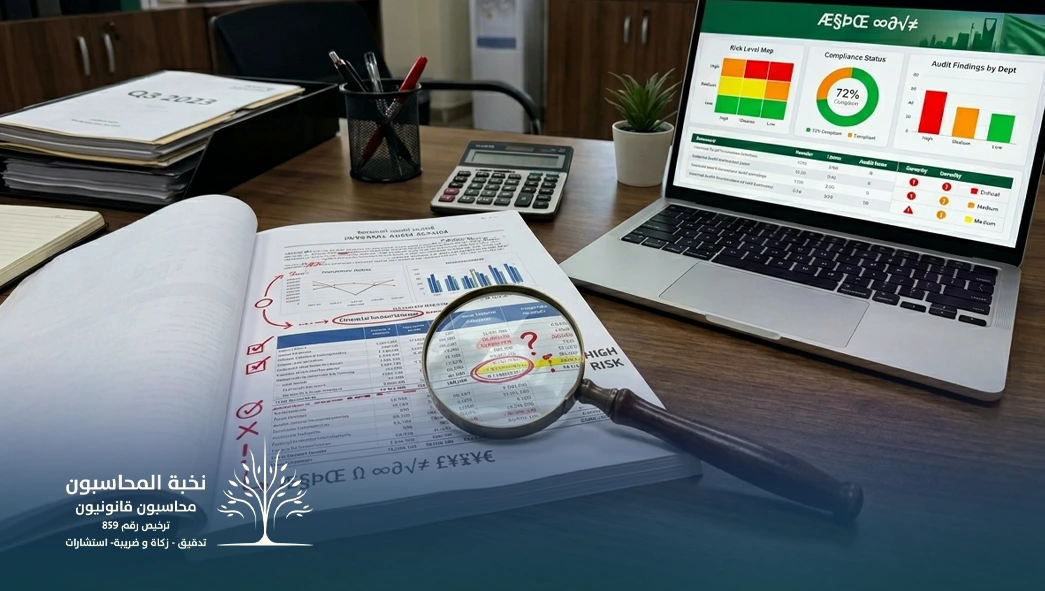
With increasing regulatory requirements and the continuous evolution of business environments, Internal Auditor Reports have become one of the most important tools organizations rely on to evaluate operational efficiency, assess the effectiveness of internal control systems, and identify risks before they develop into issues that may affect performance or financial stability.
The importance of these reports extends beyond documenting findings and audit results. They provide practical insights that help management improve processes, enhance compliance, and support strategic decision-making. As a result, successful organizations view internal audit reports as tools for continuous improvement rather than merely compliance-driven documents.
In this article, we explore the concept of Internal Auditor Reports, their importance, key components, different types, and the best practices for preparing them professionally to improve organizational performance.
What Are Internal Auditor Reports?
Internal Auditor Reports are professional documents prepared after completing internal audit engagements within an organization. Their purpose is to present findings, observations, and recommendations related to the processes, procedures, and systems under review.
The report represents the final and most critical stage of the audit process, serving as the primary means of communicating audit results and assessments to senior management or the audit committee in a clear and structured manner that facilitates corrective actions.
The Importance of Internal Auditor Reports for Organizations
Internal Auditor Reports play a vital role in strengthening corporate governance and improving management effectiveness by providing reliable information that helps organizations understand operational realities and identify opportunities for improvement.
Key benefits include:
- Strengthening internal control effectiveness.
- Early identification of operational and financial risks.
- Improving process and operational efficiency.
- Supporting compliance with policies and regulations.
- Reducing errors and violations.
- Providing reliable information to management and decision-makers.
- Enhancing transparency and accountability.
- Supporting continuous improvement initiatives.
These reports also contribute to creating a more stable work environment by addressing issues before they negatively impact performance or financial results.
What Do Internal Auditor Reports Include?
The quality of Internal Auditor Reports depends on the completeness and clarity of the information they contain. Therefore, they should include several essential components that facilitate understanding and decision-making.
1. Executive Summary
Provides a concise overview of the audit scope, major findings, and key recommendations.
2. Audit Objectives
Explains the purpose of the audit and the intended outcomes.
3. Scope of Work
Defines the departments, activities, or processes covered during the audit period.
4. Findings and Observations
Highlights deficiencies, risks, or deviations identified during the audit.
5. Root Cause Analysis
Examines the underlying causes of identified issues or weaknesses.
6. Recommendations
Outlines proposed actions to address findings and improve controls and performance.
7. Corrective Action Plan
Specifies responsible parties and implementation timelines for corrective measures.
Types of Internal Auditor Reports
Internal Auditor Reports vary depending on the nature and objectives of the audit engagement. Common types include:
1. Operational Audit Reports
Focus on evaluating the efficiency and effectiveness of business operations and processes.
2. Financial Audit Reports
Assess the accuracy and reliability of financial records and information.
3. Compliance Audit Reports
Measure adherence to laws, regulations, and internal policies.
4. Information Technology Audit Reports
Evaluate IT systems, information security, and technology-related risks.
5. Special Audit Reports
Prepared for specific investigations or unique circumstances within the organization.
6. Follow-Up Audit Reports
Assess the implementation status of previously issued recommendations and measure improvement progress.
Steps to Prepare Professional Internal Auditor Reports
Preparing an effective audit report requires a structured methodology that ensures accuracy and usability.
Key steps include:
- Collecting relevant data and documentation.
- Analyzing audited processes and procedures.
- Assessing risks and existing control measures.
- Documenting findings and supporting evidence.
- Identifying root causes of issues.
- Developing practical and actionable recommendations.
- Drafting the report in a clear and professional manner.
- Reviewing and approving the report before issuance.
Following these steps helps produce valuable reports that support informed decision-making.
Common Mistakes in Internal Audit Reporting
Despite their importance, some organizations make mistakes that reduce the effectiveness of audit reports.
Common mistakes include:
- Focusing on problems without providing solutions.
- Using overly complex or unclear language.
- Failing to provide sufficient supporting evidence.
- Overstating or understating findings.
- Not clearly assigning responsibilities.
- Neglecting follow-up on recommendations.
- Issuing reports long after the audit has been completed.
For this reason, reports should be objective, accurate, and focused on actionable outcomes.
How Management Benefits from Internal Auditor Reports
Internal Auditor Reports provide management with valuable information that supports performance improvement and operational efficiency.
Their benefits include:
- Making decisions based on reliable data and analysis.
- Strengthening oversight of critical operations.
- Improving enterprise risk management.
- Enhancing resource utilization.
- Addressing weaknesses before they lead to losses.
- Supporting compliance and corporate governance.
- Improving operational and strategic planning.
The more accurate and objective the reports are, the greater their value in helping organizations achieve their goals.
Why Choose Nukhbat Al-Muhasiboon for Internal Audit Reporting?
Nukhbat Al-Muhasiboon provides specialized internal audit services that help organizations evaluate their control systems and improve performance in line with professional best practices.
Our advantages include:
- A team of certified auditors and accountants.
- Extensive experience across various industries and sectors.
- Modern audit methodologies aligned with professional standards.
- Accurate and well-structured reports supported by evidence and analysis.
- Practical recommendations focused on measurable results.
- Complete confidentiality of client information and data.
- Ongoing support for performance improvement and implementation follow-up.
Our goal is to deliver real value that helps organizations build stronger, more efficient, and sustainable control environments.
Frequently Asked Questions
When is an internal audit report issued?
An internal audit report is typically issued after audit procedures have been completed, findings have been discussed with relevant stakeholders, and the final report has been approved.
Are Internal Auditor Reports binding on management?
The reports provide professional recommendations aimed at improving performance and reducing risks. Implementation depends on each organization’s policies and governance structure.
What is the difference between internal audit and external audit?
Internal audit focuses on improving operations, risk management, and internal controls, while external audit provides an independent opinion on the organization’s financial statements.
Conclusion
Internal Auditor Reports are essential tools for strengthening corporate governance, improving internal controls, and enhancing operational efficiency. They help organizations identify risks early, improve decision-making quality, and strengthen compliance and transparency, all of which contribute to long-term business sustainability and strategic success.
If you are looking for a specialized partner to prepare Internal Auditor Reports in accordance with the highest professional standards, Nukhbat Al-Muhasiboon offers comprehensive internal audit services that help you evaluate performance, strengthen controls, and achieve better results. Contact us today for professional consultation and support tailored to your organization’s needs.