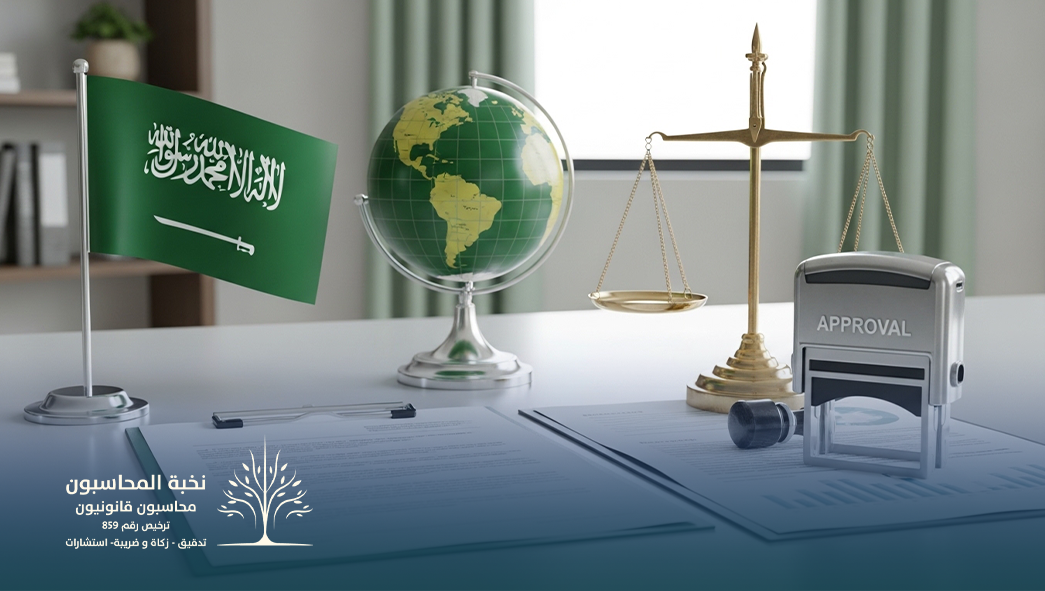
The Saudi market today is not merely a passing investment opportunity; it is an advanced economic environment that is reshaping the business landscape across the region. However, before you begin establishing your company or investing your capital, there is a fundamental question that must be clearly answered: Do you meet the foreign investment conditions in Saudi Arabia?
Many international investors possess the capital and expertise, yet they are often surprised by regulatory details related to ownership percentages, business activities, or sector-specific requirements. A superficial understanding of these regulations can lead to project delays or even restructuring after establishment, resulting in additional costs and unnecessary legal risks.
In this article, we explore the full framework of investment requirements, clarify foreign ownership requirements in Saudi companies, and review the sectors open to foreign investment, helping you start your business on a solid legal foundation and with a clear strategic vision.
The Regulatory Framework for Foreign Investment in the Kingdom
Saudi Arabia operates under a clear regulatory system designed to attract investments while maintaining economic balance and protecting the local market. Therefore, foreign investment conditions in Saudi Arabia are not restrictions as much as they are regulatory guidelines that organize capital inflows and ensure alignment with the country’s development vision.
Key regulatory principles include:
-
The business activity must be among the sectors permitted for foreign investors.
-
The investor must not have been convicted of serious financial violations.
-
The activity must comply with sector-specific regulatory requirements.
-
Minimum capital requirements must be met for certain activities.
Adhering to these conditions from the beginning helps investors avoid license suspension or application rejection.
Foreign Ownership Requirements in Saudi Companies
One of the most common questions among international investors concerns foreign ownership requirements in Saudi companies, particularly regarding ownership percentages and the possibility of partnering with a Saudi entity.
In many sectors, 100% foreign ownership is permitted, provided that the regulatory requirements specific to the activity are met. In other sectors, however, there may be restrictions or additional conditions related to partnership structures or capital requirements.
Typical requirements include:
-
Determining the legal structure of the entity (Limited Liability Company, Joint Stock Company, or branch of a foreign company).
-
Clearly defining the ownership structure.
-
Submitting documents proving the legal status of the parent company.
-
Demonstrating financial solvency and operational capability.
Choosing the appropriate ownership structure affects not only regulatory compliance but also taxation, profit distribution, and future expansion opportunities.
Sectors Open to Foreign Investment
It is impossible to discuss foreign investment conditions in Saudi Arabia without clearly understanding the sectors open to foreign investment. The Kingdom has opened a wide range of opportunities for international investors, particularly in high value-added industries.
Key sectors include:
-
Technology and digital transformation
-
Industrial manufacturing and advanced production
-
Logistics services
-
Tourism and hospitality
-
Healthcare
-
Private education
-
Renewable energy
At the same time, there remains a limited list of restricted activities or sectors that require special approvals.
Carefully analyzing the target sector helps investors assess competition levels, regulatory requirements, and operational commitments before entering the market.
Minimum Capital Requirements and Financial Obligations
An essential component of foreign investment conditions in Saudi Arabia is determining the appropriate capital for the nature of the business. Some activities do not require a high minimum capital threshold, while others impose specific financial requirements to ensure operational capability and investor commitment.
In addition to capital requirements, investors must also consider:
-
Zakat and tax registration
-
Compliance with foreign investor income tax regulations
-
Enrollment of employees in the social insurance system
-
Compliance with Saudization requirements based on the sector
Proper financial management from the first day provides greater stability for the business and reduces regulatory risks later on.
The Importance of Legal Planning Before Entering the Market
Entering the Saudi market without a clear legal strategy is similar to launching a large project without a proper feasibility study. Understanding foreign investment conditions in Saudi Arabia goes beyond simply reviewing the requirements; it requires a comprehensive analysis of the business activity, legal structure, and future obligations.
Strategic planning should answer important questions such as:
-
Does the chosen business activity fully comply with current regulations?
-
Is it better to establish a standalone company or open a branch of a foreign company?
-
What are the tax implications of the chosen ownership structure?
-
Will future expansion require a different type of license?
Additionally, understanding the sectors open to foreign investment provides clearer insight into competition levels, potential government incentives, and sector-specific regulatory requirements.
Common Mistakes Made by Foreign Investors
Despite the relative clarity of regulations, some investors make recurring mistakes that can delay projects or significantly increase costs.
Common mistakes include:
1. Choosing an Activity That Is Not Fully Compliant with Regulations
An activity may appear generally permitted, but specific details may require additional approvals or conditions. Ignoring these details may lead to application rejection or suspension.
2. Not Carefully Studying Foreign Ownership Requirements
Some investors assume full ownership is always possible without reviewing sector-specific regulations, which may later require restructuring the legal framework or partnership agreements.
3. Underestimating the Importance of Adequate Capital
Setting a low capital level to reduce commitments may weaken the investment profile or limit the company’s ability to obtain important contracts or certifications.
4. Ignoring Tax and Financial Obligations
Failing to account for taxes, fees, and Saudization requirements within the financial plan may create cash-flow pressure during the first year of operations.
5. Relying on Outdated Information
Investment regulations in the Kingdom continue to evolve. Relying on outdated sources or past investor experiences may lead to inaccurate decisions.
6. Making Financial Commitments Before Licensing Is Completed
Signing lease agreements or operational commitments before obtaining final approvals may expose investors to legal risks or unnecessary financial losses.
Avoiding these mistakes often begins with obtaining professional consultation that evaluates the project from all perspectives—not only the licensing process.
Frequently Asked Questions
Can a foreign investor establish a company without a Saudi partner?
Yes. In many sectors, full foreign ownership is permitted in accordance with regulatory guidelines.
Do investment conditions vary by sector?
Yes. Each sector may impose specific requirements related to capital or regulatory approvals.
Can the business activity be changed after establishment?
Yes, but it may require updating the license and fulfilling additional requirements.
Is foreign investment subject to taxation?
Yes. Foreign investors are subject to income tax under the applicable regulations in Saudi Arabia.
Conclusion
Understanding foreign investment conditions in Saudi Arabia is the first step toward building a successful and stable business in one of the fastest-growing markets in the region. Knowing the foreign ownership requirements in Saudi companies and analyzing the sectors open to foreign investment provides investors with complete clarity before committing capital.
At Nukhbat Al-Muhasiboon, we assist international investors in establishing their businesses according to the highest regulatory standards—from selecting the right business activity to completing all legal procedures smoothly.
Contact us today for a specialized consultation and start your investment in Saudi Arabia with confidence and full legal security.