

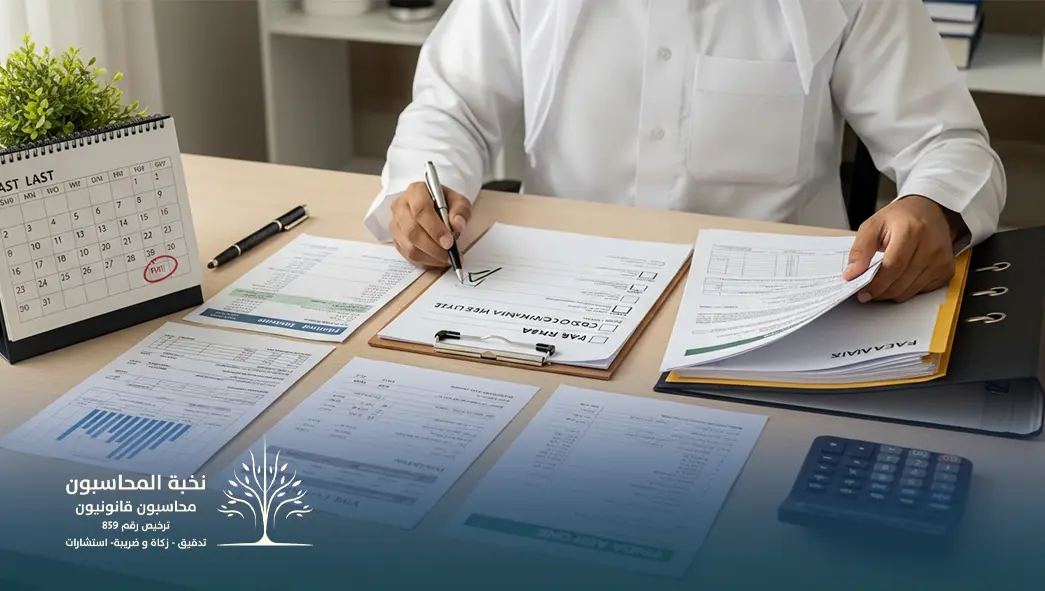
The end of the fiscal year is the real test of the efficiency of any company’s accounting system. Closing the fiscal year is not a routine task; it is a critical stage for evaluating business performance and ensuring the legal and tax accuracy of the company’s position before regulatory authorities.
Proactive organization and avoiding last-minute backlog are the keys to producing accurate financial statements free of errors. This guide outlines the essential steps to organize your accounts and ensure a smooth transition into the new fiscal year.
What is Fiscal Year Closing?
Fiscal year closing is a comprehensive accounting process that resets revenue and expense accounts (temporary accounts) and transfers net profit or loss to retained earnings on the balance sheet.
The purpose is to separate each financial year’s operations so the new year begins with zero balances in the income statement, enabling accurate performance measurement and ensuring that the financial position reflects the company’s real assets and liabilities.
Difference Between Monthly and Annual Closing
Monthly closing:
A periodic internal review to ensure accurate transaction recording, bank reconciliation, and internal reporting. It does not reset accounts; balances are carried forward.
Annual closing:
A final legal process performed once a year, involving full adjustments, recognition of provisions, and issuance of audited financial statements. Income statement accounts are fully closed.
Importance of Organizing Accounts Before the Fiscal Year End
Proper organization is not just procedural—it has strategic and regulatory importance:
- Determining actual financial results
- Preparing reliable financial statements
- Measuring profitability and cash flow
- Supporting management and investment decisions
Steps for Organizing Accounts Before Year-End
1. Reviewing Accounting Entries
Ensure all financial transactions are properly recorded:
- Correct accounting classification
- Reviewing manual entries
- Detecting duplicates or missing entries
- Reconciling general ledger accounts
- Avoiding common errors such as misclassification or wrong period posting
2. Account Reconciliation
- Bank reconciliation and outstanding items
- Customer and supplier balances
- Employee advances and settlements
3. Revenue and Expense Review
- Ensure all revenues are recorded
- Review accrued and prepaid expenses
- Separate personal and business expenses
- Avoid duplicate or incorrect expense recognition
4. Asset and Inventory Count
- Physical inventory verification
- Asset depreciation updates
- Identifying shortages or damages
5. Financial Reporting and Analysis
- Income statement and balance sheet review
- Cash flow analysis
- Detecting inconsistencies before the external audit
Common Mistakes Before Year-End Closing
- Delaying accounting review until the last moment
- Weak documentation and archiving
- Lack of periodic reconciliation
- Using outdated financial data
- Ignoring tax and zakat obligations
How to Avoid These Mistakes
- Prepare a structured closing plan
- Assign clear financial responsibilities
- Perform monthly closing regularly
- Use external audit support when needed
How Nukhbat Al-Muhasiboon Helps in Year-End Closing
- Full year-end closing supervision
- Adjustments and error correction
- Audit file preparation
- Tax and zakat advisory support
Conclusion
Year-end closing is not just accounting work; it is a discipline that ensures financial accuracy and strategic clarity for the coming year.
Frequently Asked Questions
What is the fiscal year closing?
It is the process of closing temporary accounts and preparing final financial statements.
Why are reconciliations important?
They ensure accuracy and prevent errors from carrying into the next year.
What are the key financial reports?
Income statement, balance sheet, cash flow statement, and trial balance.
When is external support needed?
In complex operations or when discrepancies repeatedly appear.